December 19, 2025
Beautiful outdoor spaces do more than frame a home or commercial property—they influence how people move through a space, how they relax, and how a property holds its value over time. Thoughtfully planned landscapes create cohesion between natural elements and built features, turning outdoor areas into functional extensions of the property itself. When these spaces are designed with intention instead of guesswork, the result feels effortless, polished, and enduring. This kind of planning helps outdoor areas feel purposeful rather than decorative.
Working with design and build professionals brings structure to what can otherwise feel like an overwhelming process. A skilled landscape designer helps translate ideas into workable plans, aligning visual appeal with long-term performance. From initial concepts to finished installations, professional guidance ensures outdoor spaces are not only attractive but also practical, durable, and aligned with how the property is actually used. This approach reduces uncertainty and helps property owners feel confident in every decision.
1. Apply Professional Knowledge and Experience
Professional landscape design and build teams bring a depth of expertise that simply can’t be replicated through trial and error. Years of hands-on experience inform decisions related to grading, drainage, material selection, and spatial planning. A landscape designer evaluates how each element will interact over time, helping avoid common problems like poor water flow, overcrowded plantings, or hardscapes that feel disconnected from the rest of the property. This level of insight ensures the finished space functions as intended long after installation.
This experience also allows professionals to anticipate challenges before construction begins. Soil conditions, sun exposure, and elevation changes are assessed early, reducing costly surprises later. By relying on proven methods rather than assumptions, design-build professionals create outdoor spaces that remain functional and visually appealing well beyond the initial installation. These preventative measures help protect both the investment and the property itself.
2. Customize Designs to Match the Property
Every property has its own layout, architecture, and usage needs, which is why customization is essential. Design-build professionals begin with detailed consultations to understand how outdoor spaces will be used, whether for entertaining, relaxation, or visual enhancement. A landscape designer translates these goals into a cohesive plan that complements the existing structure rather than competing with it. This ensures the final result feels intentional instead of improvised.
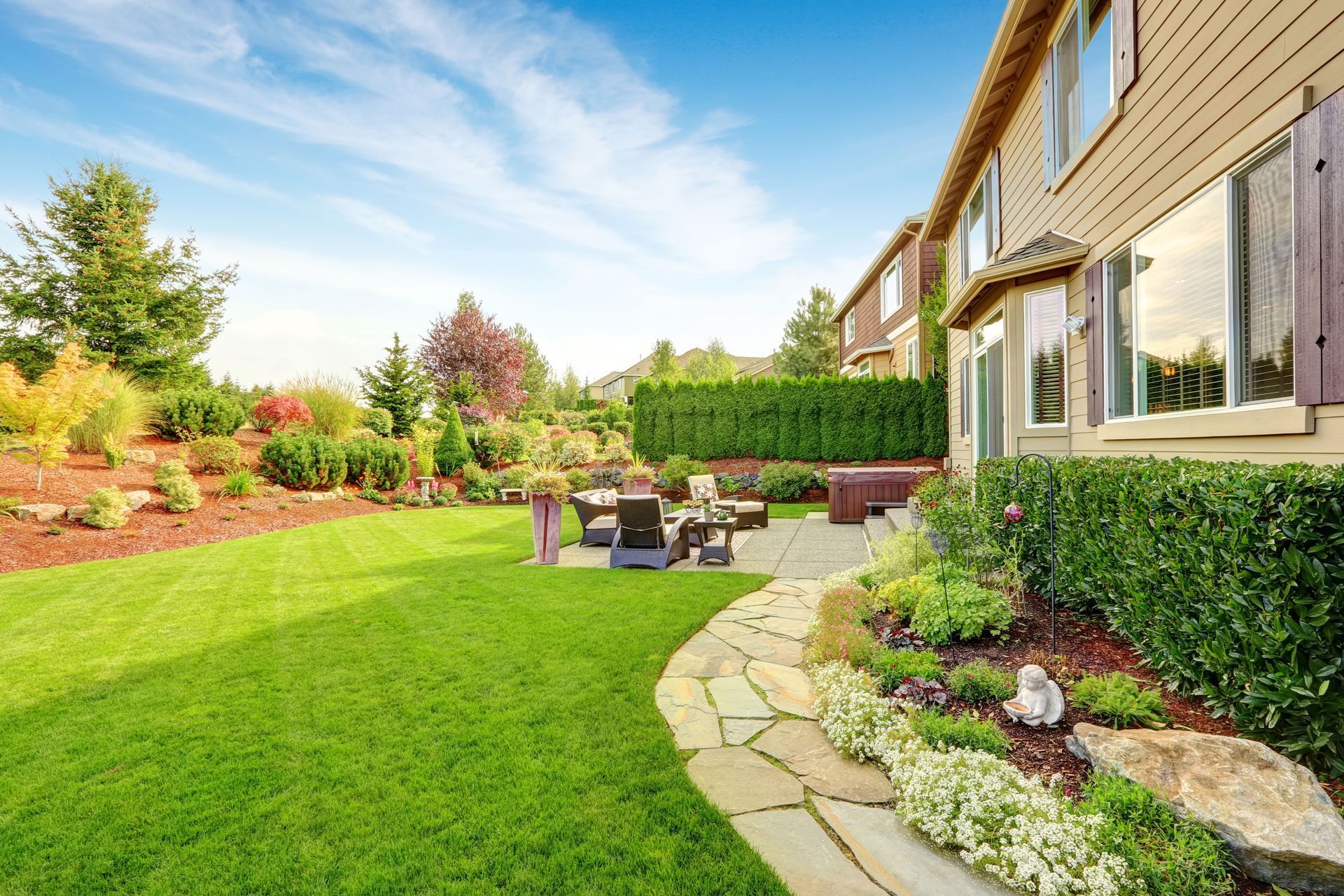
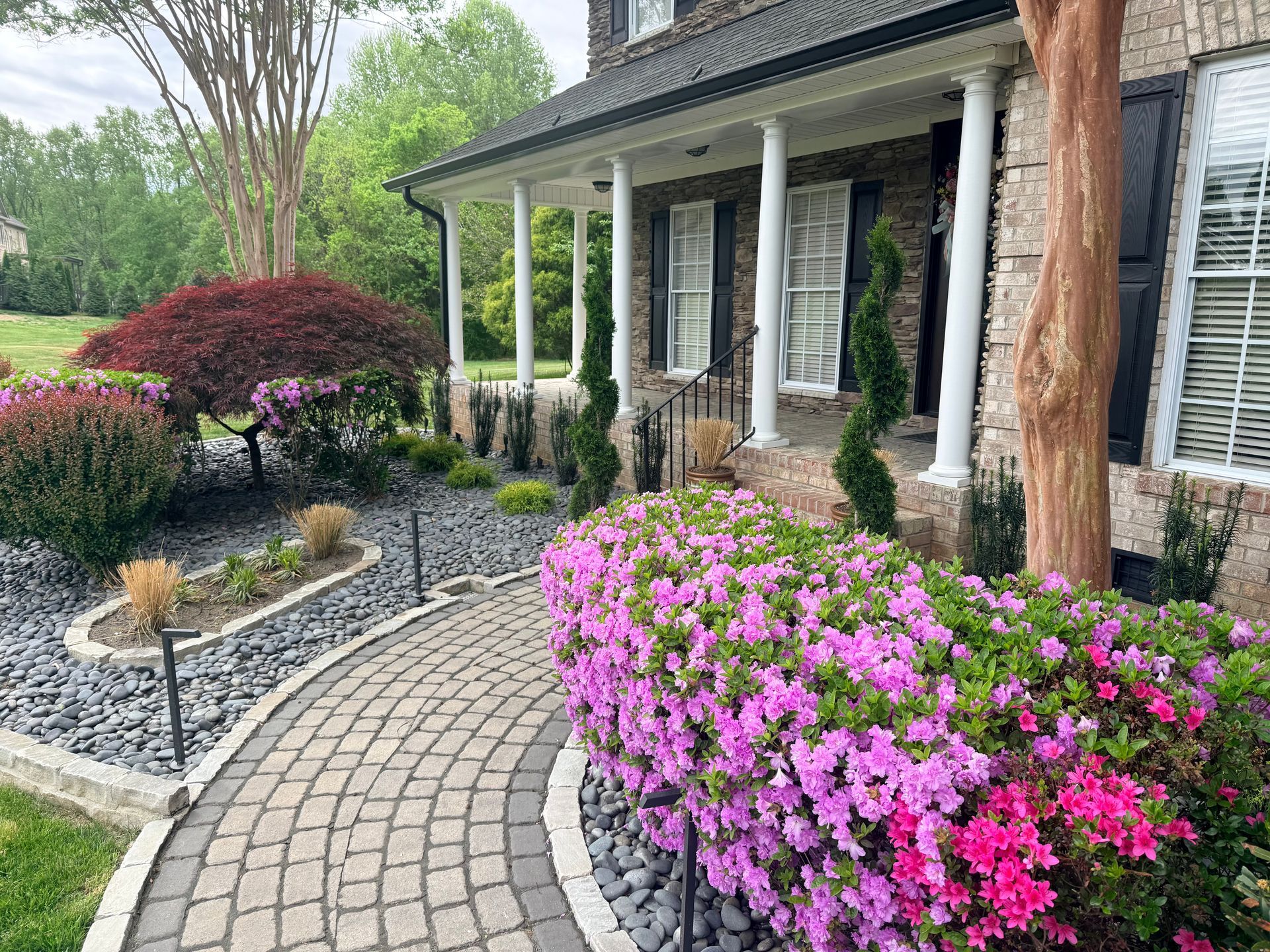
Customization also allows landscaping and hardscaping elements to be designed together instead of in isolation. Walkways, patios, retaining walls, and planting areas are planned as a unified system, resulting in smoother transitions and better functionality. This integrated approach prevents the piecemeal look that often develops when outdoor projects are tackled separately over time. It also improves how the space flows and feels during everyday use.
3. Increase Property Value Through Strategic Planning
Professionally designed landscapes are a proven investment when it comes to property value. According to Home Guide, landscaping can increase home value by 10% to 30% based on the quality and type of improvements. A landscape designer uses strategic layouts, plant placement, and hardscape features to highlight a property’s strongest attributes while improving curb appeal and usability. These improvements make a measurable difference in how a property is perceived.
Beyond visual impact, well-planned outdoor spaces appeal to future buyers and appraisers by demonstrating thoughtful investment in the property. Functional outdoor living areas, defined pathways, and cohesive layouts help properties stand out in competitive markets. These enhancements don’t just look good; they contribute directly to long-term financial value. Over time, this added value can influence resale potential and appraisal outcomes.
4. Optimize Resources With Efficient Design
Efficient use of resources is a defining feature of professional landscape projects. Design-build teams analyze environmental conditions to ensure plants, materials, and layouts are appropriate for the setting. A landscape designer selects plants that thrive naturally in the area, reducing the need for excessive watering, fertilization, or replacement. This approach supports healthier growth and reduces long-term maintenance demands.
Hardscaping choices are also guided by efficiency, with materials selected for durability and performance. Proper grading and drainage minimize erosion and water pooling, protecting both landscaping and structures. This resource-conscious approach results in outdoor spaces that are easier to maintain while delivering consistent performance year after year. It also helps control ongoing ownership costs.
5. Manage Projects With Professional Oversight
Landscape projects involve multiple phases, materials, and moving parts, making professional management essential. Design-build teams coordinate timelines, labor, and materials to keep projects on track from start to finish. With a landscape designer involved throughout the process, the original vision remains intact as plans move from concept to construction. This continuity prevents design compromises during installation.
Clear communication is another advantage of professional oversight. Clients stay informed about progress, scheduling, and adjustments, which reduces stress and confusion. This structured approach helps ensure projects are completed efficiently, safely, and to the expected standard of quality. It also minimizes delays that can disrupt daily routines.
6. Balance Aesthetics With Everyday Function
Beautiful landscapes must also support real-world use. Professional designs consider how people move through outdoor spaces, where they gather, and how different areas are accessed. A landscape designer balances visual appeal with practical considerations such as circulation, seating placement, and accessibility. This ensures the space works just as well as it looks.
This attention to function ensures outdoor spaces enhance daily life rather than complicating it. Walkways feel intuitive, gathering areas feel inviting, and transitions between spaces feel natural. The result is an outdoor environment that looks refined while supporting how the property is actually lived in or used. These details make the space easier to enjoy year-round.
7. Adapt Designs for Long-Term Flexibility
Outdoor needs often change over time, making flexibility an important design consideration. Design-build professionals plan with the future in mind, allowing landscapes to evolve without requiring complete overhauls. A landscape designer anticipates potential expansions, additions, or changes in use when creating the initial layout. This foresight prevents costly redesigns later.
This planning protects the original investment by making future updates easier and more cost-effective. Whether adding new features or refreshing existing areas, adaptable designs maintain cohesion while accommodating growth. Landscapes built with flexibility continue to feel relevant and functional as needs shift. This adaptability extends the overall lifespan of the design.
8. Preserve Results With Ongoing Support
A successful landscape doesn’t end when installation is complete. Ongoing care and periodic adjustments are essential for preserving both appearance and performance. Design-build professionals provide guidance on maintenance strategies that support plant health and protect hardscaping features. A
landscape designer
can also recommend refinements as materials age and plants mature. This guidance helps maintain the original design intent.
Preventative maintenance plays a key role in long-term cost control. Regular evaluations help identify minor issues before they escalate into major repairs. This proactive approach keeps outdoor spaces looking polished while extending the lifespan of the overall landscape investment. It also helps avoid unexpected expenses.
Thoughtfully designed outdoor spaces add value, functionality, and lasting appeal to any property. By working with experienced design and build professionals, property owners gain clarity, confidence, and results that hold up over time. At Pro Ridge Landscapes, we bring over 25 years of experience delivering high-quality hardscaping and landscaping services throughout the Piedmont Triad. If you’re ready to invest in an outdoor space that’s built to perform and designed to last, contact Pro Ridge Landscapes to start planning your next project.