October 23, 2026
Transforming a backyard into a functional, inviting outdoor space can improve everyday living while adding long-term appeal to a property. From comfortable patios to retaining walls that make uneven terrain more usable, the right hardscaping projects combine durability with thoughtful design. Understanding which improvements offer the greatest benefits can help homeowners prioritize their investments and create an outdoor space that suits their needs. A professional hardscaping contractor can help bring these ideas together while accounting for the property's layout, drainage, and overall design.
Patio Installations
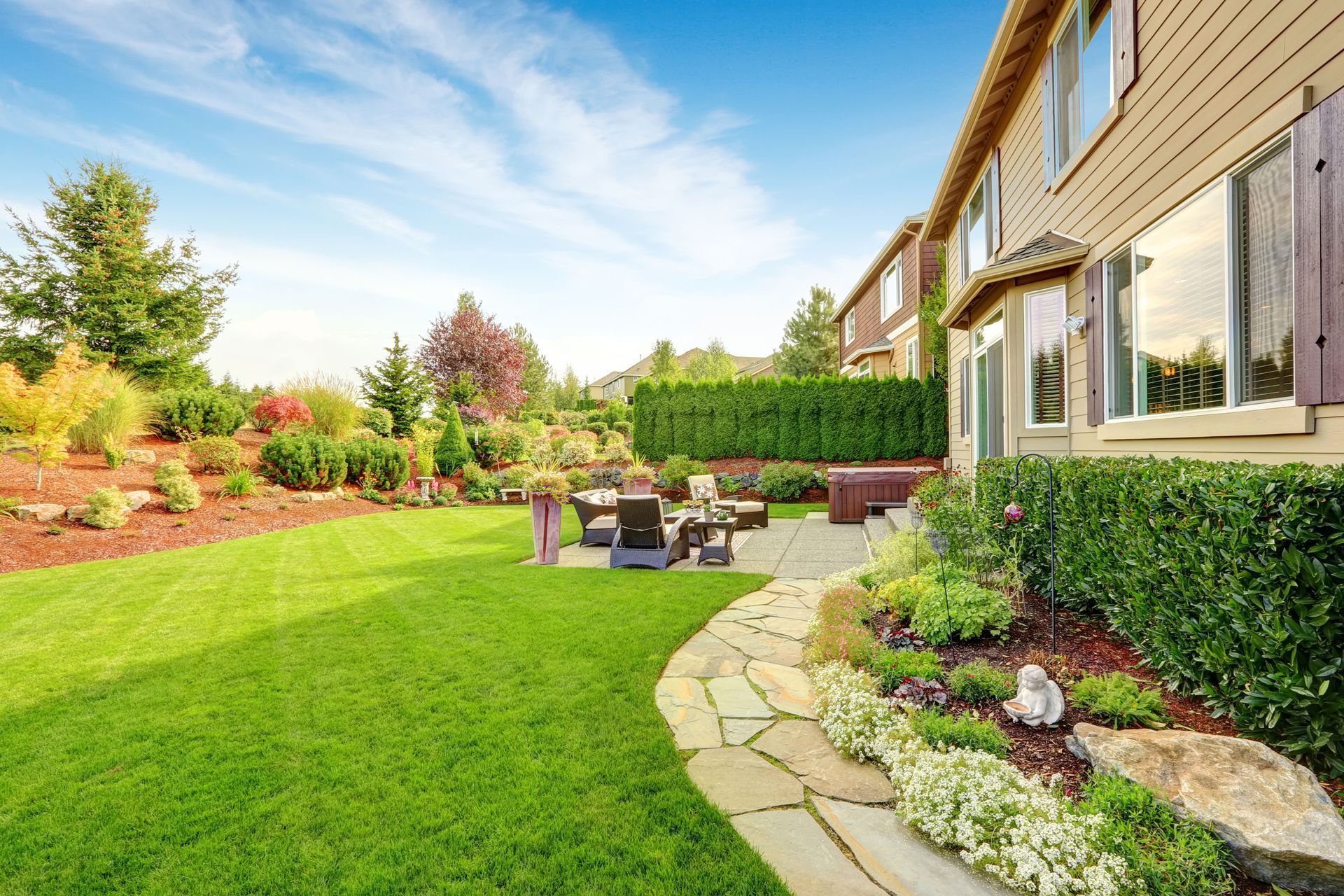
A well-designed patio creates a comfortable outdoor gathering space while improving the functionality and appeal of a backyard. Homeowners can choose from concrete, brick, natural stone, and pavers, depending on their preferred style, budget, and maintenance expectations. Durable materials that complement the home's architecture can help create a cohesive outdoor environment.
Selecting Materials and Designs
Material selection should account for local weather conditions, durability, and upkeep. Pavers offer flexibility in design and can be replaced individually if damaged, while natural stone provides distinctive textures and colors. Patio size and placement also matter. A hardscaping contractor can evaluate the available space, plan appropriate drainage, and recommend a layout that supports dining, entertaining, or relaxation.
Quality hardscaping can also contribute to a property's financial appeal. According to LawnStarter, well-designed hardscaping can increase the value of the home by up to 15%. Although results vary by property and project, an attractive, functional patio may make a home more appealing to potential buyers.
Balancing Costs and Long-Term Value
Project costs depend on the patio's dimensions, materials, site preparation, and design complexity. Homeowners should consider the entire installation rather than focusing only on material prices. Proper grading and a stable base help prevent shifting, uneven surfaces, and drainage problems. Professional planning can help align the design with the budget while supporting long-term performance.
Walkways and Pathways
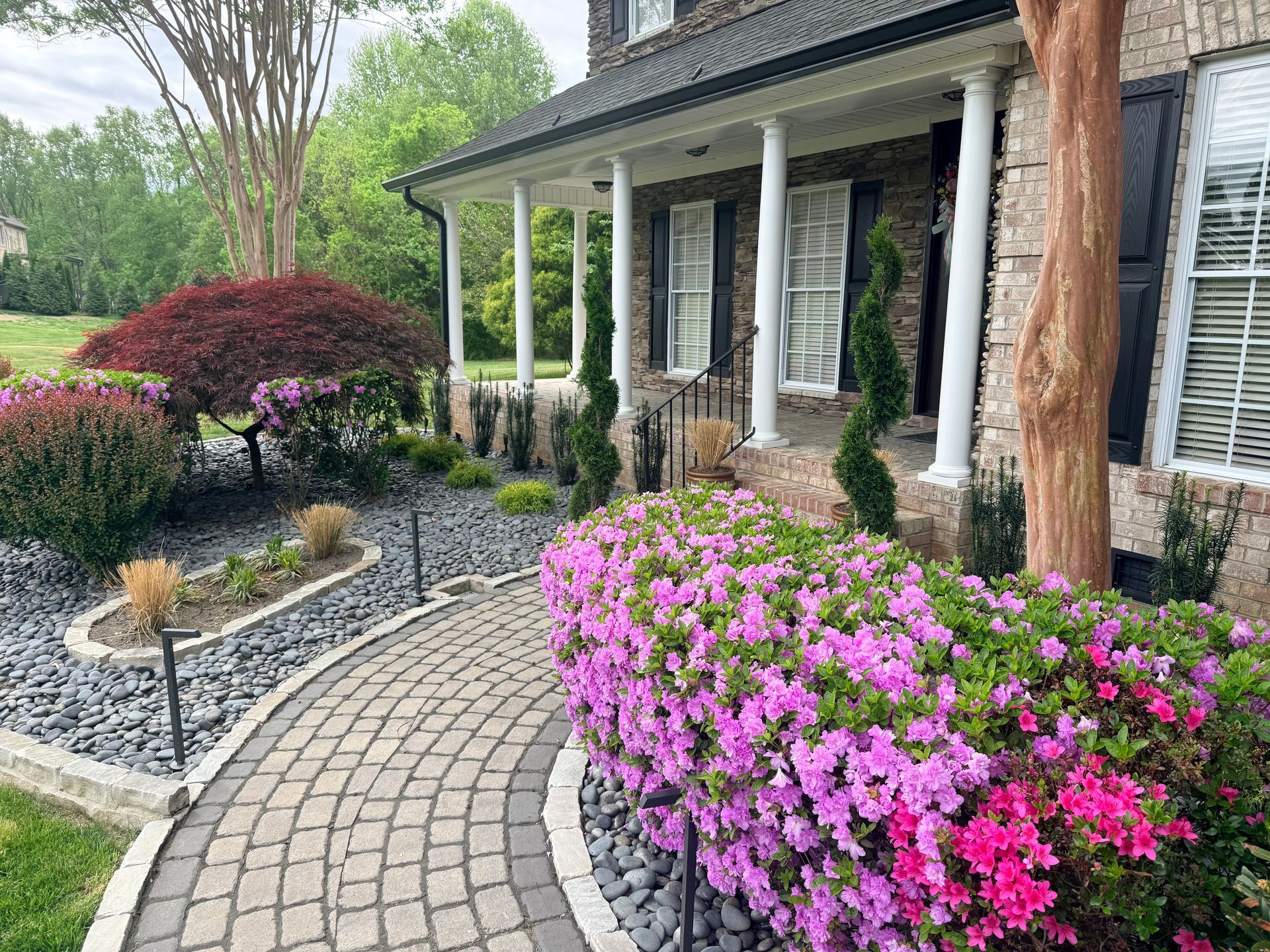
Walkways connect different areas of a backyard, guide foot traffic, and make outdoor spaces easier to navigate. They can link patios with gardens, entrances, seating areas, and other landscape features. A thoughtfully planned pathway also creates visual structure without overwhelming the surrounding greenery.
Choosing Materials and Layouts
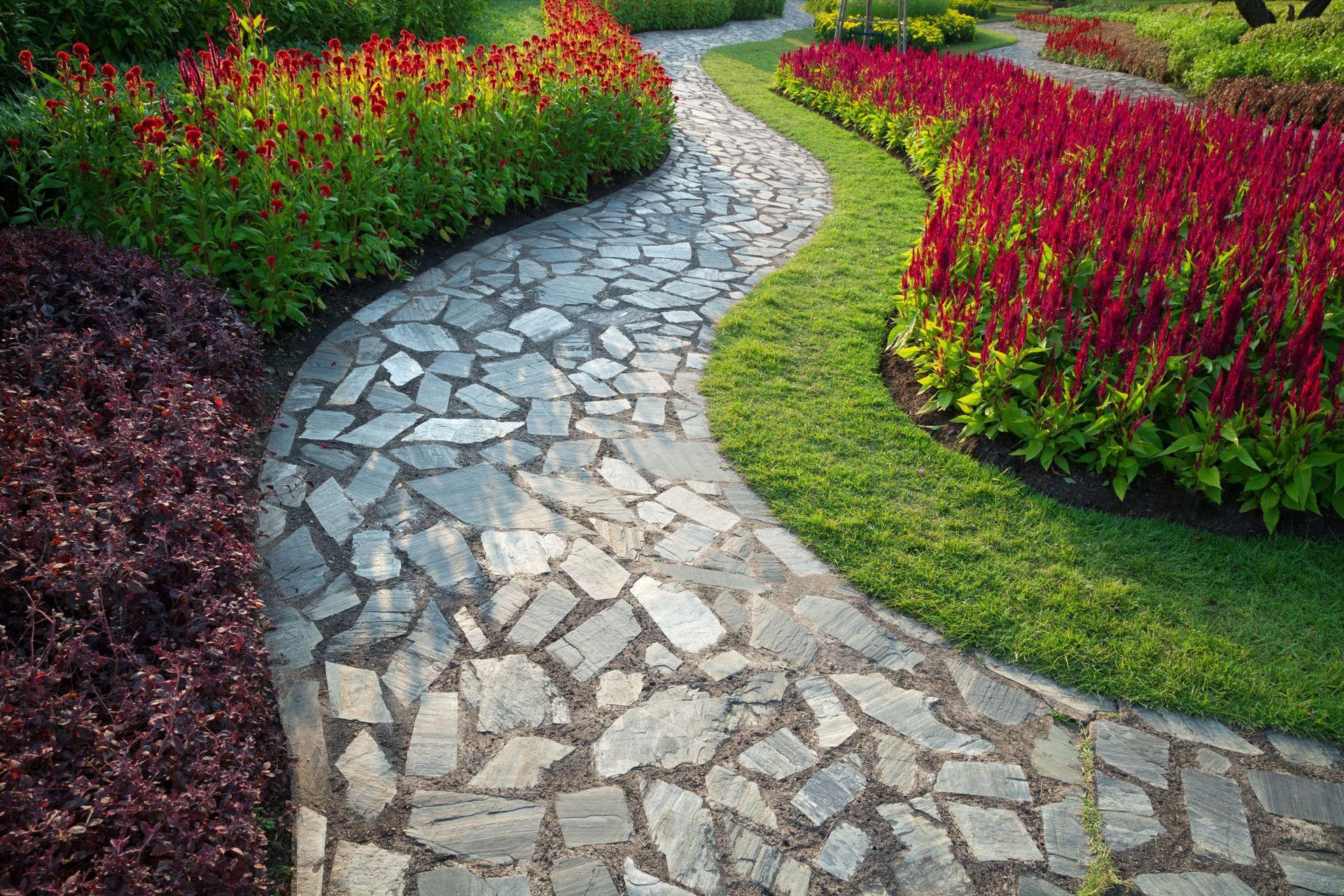
Brick, concrete, pavers, and natural stone each offer distinct appearances and practical advantages. Straight paths create a direct, formal route, while curved walkways can encourage exploration and complement natural landscape contours. The best design depends on the property's layout and how residents intend to use the space.
Improving Safety and Accessibility
Walkways should have stable, even surfaces and enough width for comfortable movement. Textured materials can improve traction in damp conditions, while landscape lighting helps make paths easier to follow after dark. Proper installation also accounts for drainage and soil movement to reduce the risk of uneven sections developing over time.
A hardscaping contractor can help determine suitable materials, pathway dimensions, and installation methods. Integrating walkways with existing landscaping creates a cohesive design that improves both accessibility and the overall backyard experience.
Retaining Wall Installations
Retaining walls provide valuable support for properties with sloped or uneven terrain. By holding soil in place, they can help manage erosion and create level areas for planting, seating, or other outdoor uses. These structures can also introduce visual interest through changes in elevation, textures, and carefully arranged landscape features.
Selecting Materials and Configurations
Common retaining wall materials include natural stone, concrete blocks, and timber. Stone offers a distinctive, timeless appearance, while concrete blocks provide a range of colors and finishes. Timber can complement informal landscapes, although its durability and maintenance requirements should be considered before installation.
Wall height, location, soil conditions, and the surrounding design all influence material selection. Tiered retaining walls may create multiple usable levels, while a single wall may be appropriate for a smaller grade change. The chosen configuration should suit the property and its practical requirements.
Managing Drainage and Structural Stability
Water management is essential to retaining wall performance. Water accumulating behind a wall can increase pressure and contribute to movement, cracking, or failure. Appropriate drainage systems, suitable backfill, and a stable foundation help reduce these risks.
Professional assessment is particularly important for taller walls, challenging slopes, and areas with significant runoff. A qualified hardscaping contractor can evaluate site conditions and determine whether additional engineering or permits are necessary. Careful planning helps protect the wall and the surrounding landscape from preventable damage.
Outdoor Kitchens and Living Areas
Outdoor kitchens and living areas extend a home's usable space by creating dedicated places for cooking, dining, and entertaining. These projects can range from a simple paved seating area to a fully equipped kitchen with built-in appliances, counters, and designated dining space.
Planning Layouts and Utilities
The layout should reflect how the household expects to use the space. Placing food preparation areas near dining spaces can make entertaining more convenient, while clearly defined walkways help people move comfortably between features.
Shade, lighting, and seating should also be considered during the planning stage.
Outdoor kitchens may require electrical connections, water lines, gas supplies, and other utilities. These systems must be planned carefully and installed by appropriately qualified professionals. Coordinating utility requirements with the hardscape design can prevent expensive changes later.
Choosing Durable Finishes
Outdoor surfaces and fixtures must withstand exposure to sunlight, moisture, temperature changes, and regular use. Weather-resistant materials can help maintain the appearance and functionality of the space. Homeowners should also consider maintenance requirements when choosing countertops, flooring, appliances, and furniture.
Working with a hardscaping contractor helps coordinate the paved surfaces, seating areas, and other structural features with the intended layout. A cohesive plan creates a more practical outdoor environment and helps ensure that individual components work together.
Fire Pits and Gathering Spaces
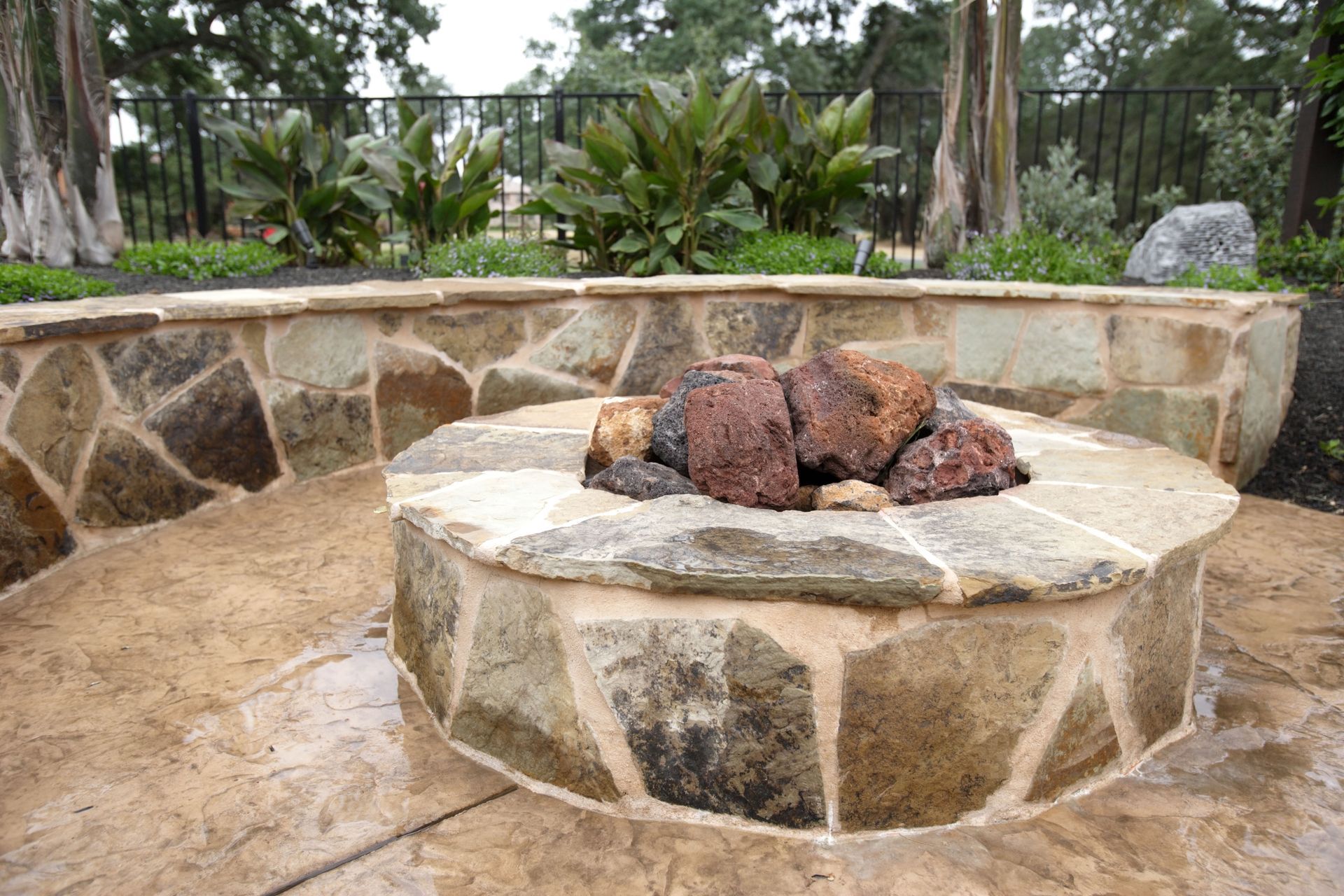
Fire pits can create a welcoming focal point for outdoor gatherings, providing a dedicated place to relax and socialize. They can be incorporated into patios, seating areas, or larger outdoor living designs. Their placement should account for available space, safe clearances, and the relationship between the fire feature and nearby structures.
Designing Comfortable Seating Areas
Seating arrangements should allow enough room for people to move around comfortably while maintaining a suitable distance from the fire. Stone, concrete, and complementary pavers can help establish a defined gathering area that fits the rest of the landscape. Lighting and nearby pathways can improve usability after sunset.
Prioritizing Safety and Maintenance
Fire features must follow applicable local regulations and manufacturer instructions. Proper clearances, suitable surfaces, and appropriate fuel systems are important considerations. Regular inspections and cleaning also help keep the area in good condition. Choosing durable materials and planning the surrounding hardscape carefully can support safe, dependable use.
Planning a Successful Hardscaping Project
The most valuable backyard improvements begin with a clear understanding of the property's conditions and the homeowner's priorities. Before selecting features, consider drainage, grading, access, intended uses, maintenance expectations, and the overall budget. Addressing these factors early can help prevent design conflicts and unexpected expenses.
Prioritizing Quality and Function
Rather than adding features without a unified plan, homeowners should consider how each element contributes to the overall space. A patio may provide the foundation for entertaining, while walkways improve circulation, and retaining walls create usable space on sloped terrain. Materials, colors, and finishes should complement one another to create a consistent appearance.
Installation quality is just as important as the finished design. Inadequate base preparation, poor grading, and insufficient drainage can shorten the lifespan of hardscape features. Professional guidance from a hardscaping contractor can help homeowners make informed decisions about construction methods, material performance, and project priorities.
Investing in Lasting Improvements
Well-planned hardscaping can improve everyday enjoyment while making a backyard more attractive and functional. The right combination of patios, walkways, retaining walls, and gathering areas depends on the property's layout and the household's needs. Homeowners should evaluate long-term usability alongside initial costs when deciding which improvements to pursue.
For homeowners ready to transform their outdoor space, Pro Ridge Landscapes can help plan hardscaping improvements that balance appearance, functionality, and durability. Contact the team to discuss your property's needs and explore options for creating a backyard that adds lasting enjoyment and value.